
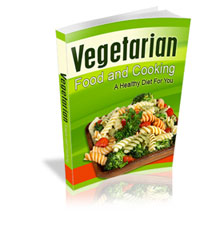
Description
Vegetarianism has deep roots stretching back to ancient Egypt and Greece, and today it encompasses a rich diversity of dietary choices, from strict veganism to the more flexible flexitarian approach. This comprehensive guide walks readers through the history, philosophy, and practical realities of living a vegetarian lifestyle, making it an ideal resource for curious beginners and seasoned plant-based eaters alike.
The book explores how major world religions including Hinduism, Buddhism, and Christianity have shaped attitudes toward meat consumption across cultures and centuries. It breaks down the four main types of vegetarians, explaining the nutritional considerations and health benefits unique to each. Readers will discover how a well-planned vegetarian diet can reduce the risk of cardiovascular disease, hypertension, diabetes, and certain cancers.
Practical guidance covers every life stage, from pregnancy and infancy through childhood, adulthood, and old age, ensuring that vegetarian families have the information they need at every step. Chapters on meal planning, supermarket shopping, protein and calcium sources, and the four food groups give readers a clear roadmap for building balanced, satisfying meals.
The book also celebrates the global richness of vegetarian cuisine, highlighting traditions from India, England, the United States, and Germany. A dedicated cooking chapter provides hands-on instructions for preparing staple ingredients like lentils, tofu, black beans, eggplant, and zucchini. Recipes such as homemade veggieburgers and ratatouille demonstrate that plant-based eating is anything but bland.


